Why Creativity Isn't a Hobby - And Never Was
I'm just going to come out and say it: women have always made things.
For as long as there have been humans, women have been weaving and stitching and painting and potting and carving and singing and telling stories. Making things as a fundamental expression of being alive — not merely what we've learned to dismiss as a "hobby" (more on that word in a moment). We have always created as a way of knowing the world, of processing it, of leaving a mark that says I was here, and I paid attention.
It is what we do. We are here, present, big-brained, and still wild despite being surrounded by steel and concrete.
We make.
And then, somewhere along the way, we were taught to stop.
The Word That Did a Lot of Damage: "Hobby"
I blame the word hobby. Well, I blame it today. Tomorrow I may find another culprit.
"Hobby" in the 14th century was entirely tied to the term hobby-horse - a child's toy horse - until the industrial revolution arrived and, as it so often did, reframed everything through the lens of productivity. The word shifted to describe the leisure pastimes of the rising middle class: people who now had time and resources, and who did what working people had always done, but recast it as productivity for fun.
Productivity. Can't have fun without it, apparently.
And so, piece by piece, as the industrial revolution got ever more mechanical and began to swallow us all in productivity-centric thinking, the message quietly took hold: your creative time is selfish. Indulgent, even. There are more important things to do - more productive things, more useful things. And anyway, you're not really an artist, are you? Not a real one.
Booooo.
No deal. 🙅♀️
What the Research Actually Says (And What Our Grandmothers Already Knew)
Science keeps catching up to what our grandmothers' grandmothers already knew in their hands: creative practice is not a luxury. It is load-bearing. Full bridge-sized girder, if we're being precise.
The actual act of making something - the focus, the presence, the translation of what you see and feel through your hands and onto a page, or in clay, or in wool - is one of the most effective ways we have of regulating our nervous systems, building a sense of agency and competence, and feeling connected to something larger than the to-do list.
It measurably contributes to our wellbeing. Not bubble baths and face masks (though yes, sometimes those too) - the making itself. The practice. The showing up.
(Insert interpretive dancing here.)
The Quietly Radical Act of Making Something Just for You
For women in particular - who have so often been taught to locate their worth in what they produce for others - there is something quietly, maybe loudly, radical about making something that is just for you. That serves no deadline, no algorithm, no one's approval but your own.
A sustainable creative practice for women doesn't require two hours before sunrise (though if you can, wonderful). It looks like this:
Five minutes counts
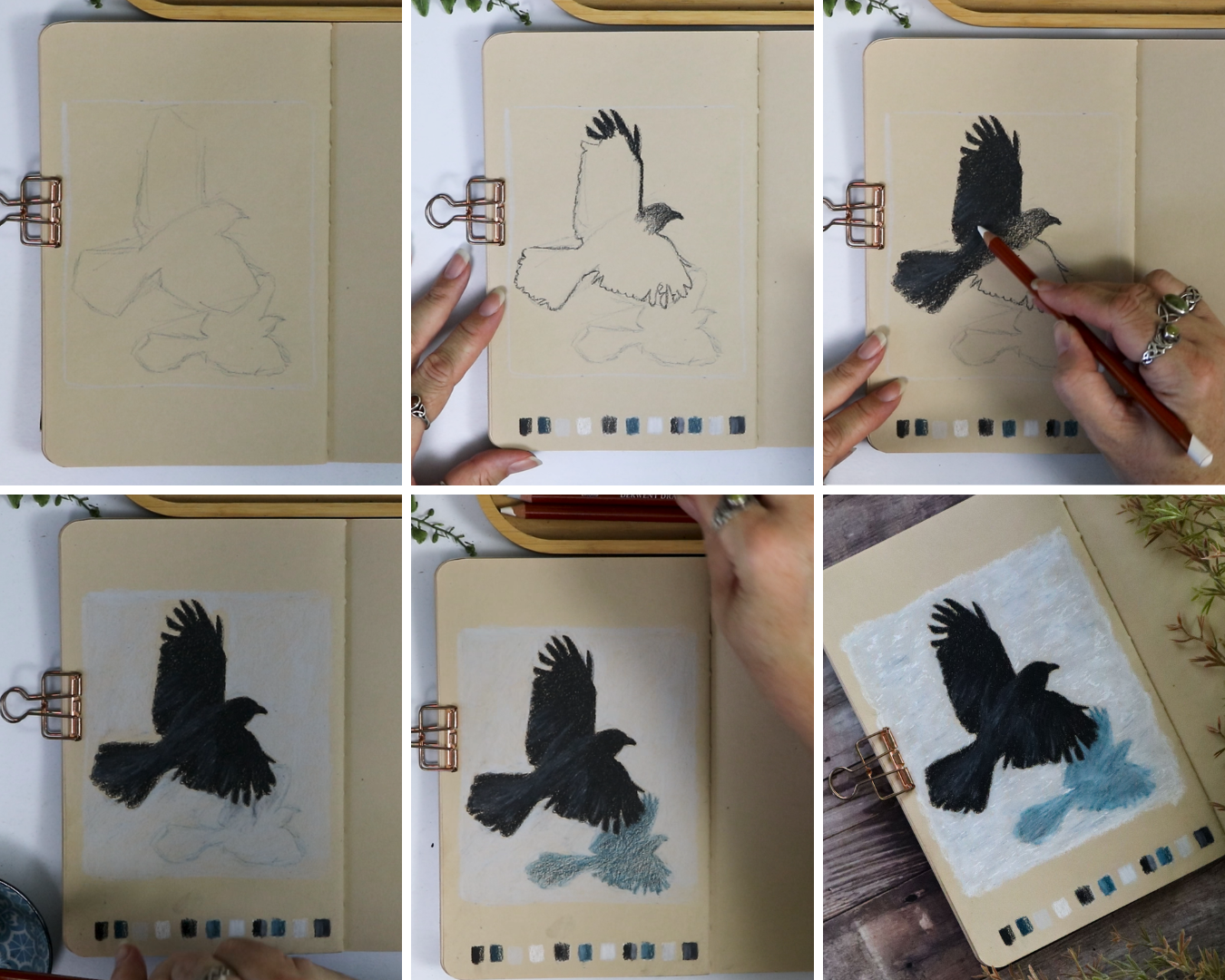
The sketchbook on the kitchen table counts
The doodle in the margin counts
Watching clouds and thinking about their form and shape and how they move counts
Really seeing all the different and distinct shades of green in a hillside counts
Showing up imperfectly, in whatever form today allows, that is the whole practice
You don't have to earn the right to make things. You never did. It was inside you all along.
Ready to Reclaim Your Creative Practice?
If this resonates, if you've been quietly waiting for permission to take your creative life seriously, Hedgerow might be exactly where you belong. It's my membership community for women who want to grow a sustainable art practice rooted in nature, at a pace that actually fits real life.
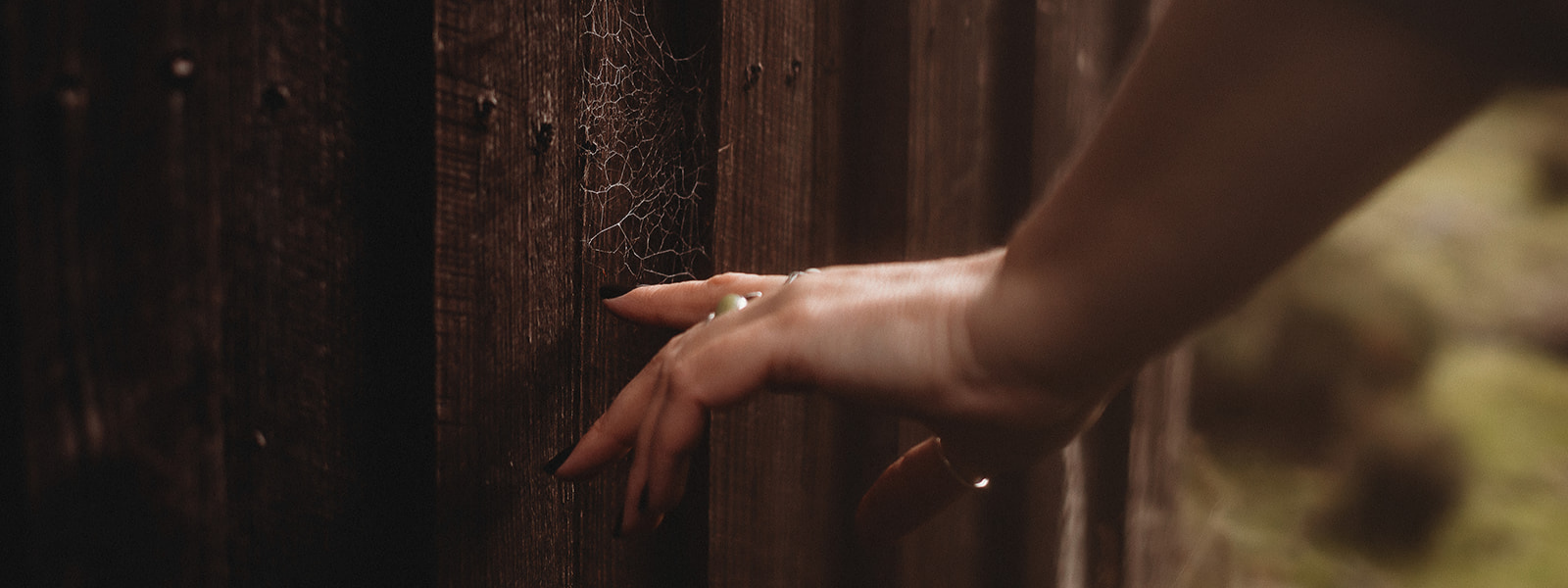
Go make something with your beautiful hands.
Natalie Eslick is a wildlife artist and educator on the NSW coast of Australia. Her work centres on Creative Ecology, building relationship with the wild world through art, mythology, and seasonal presence. [Learn more here]